❓ Unstake Pool FAQs
Learn more about our Unstake Pool.
Learn more about our Unstake Pool.

Instant unstaking
What exactly am I doing when I use the Unstake Pool?
You are swapping your LST for SOL using liquidity provided by other users (Figure 11.25).
Instead of waiting for the standard unstaking process, you are effectively paying a small fee to exit instantly. That fee goes to liquidity providers and the protocol.
Why would I pay a fee instead of unstaking normally?
Native unstaking, such as a delayed unstake, requires waiting for the next Solana epoch.
The Unstake Pool is designed for situations where speed matters, such as:
- Market volatility
- Arbitrage opportunities
- Immediate liquidity needs
You are trading time for cost.
Who is on the other side of my trade?
Liquidity providers.
They deposit SOL into the pool and earn fees from users who want to exit their positions instantly.
What determines whether I can unstake instantly?
Available SOL liquidity in the pool.
If enough SOL is available, your transaction completes immediately. If not, you may need to wait until liquidity returns or the next epoch. Due to the fee structure, please read over the transaction before executing.
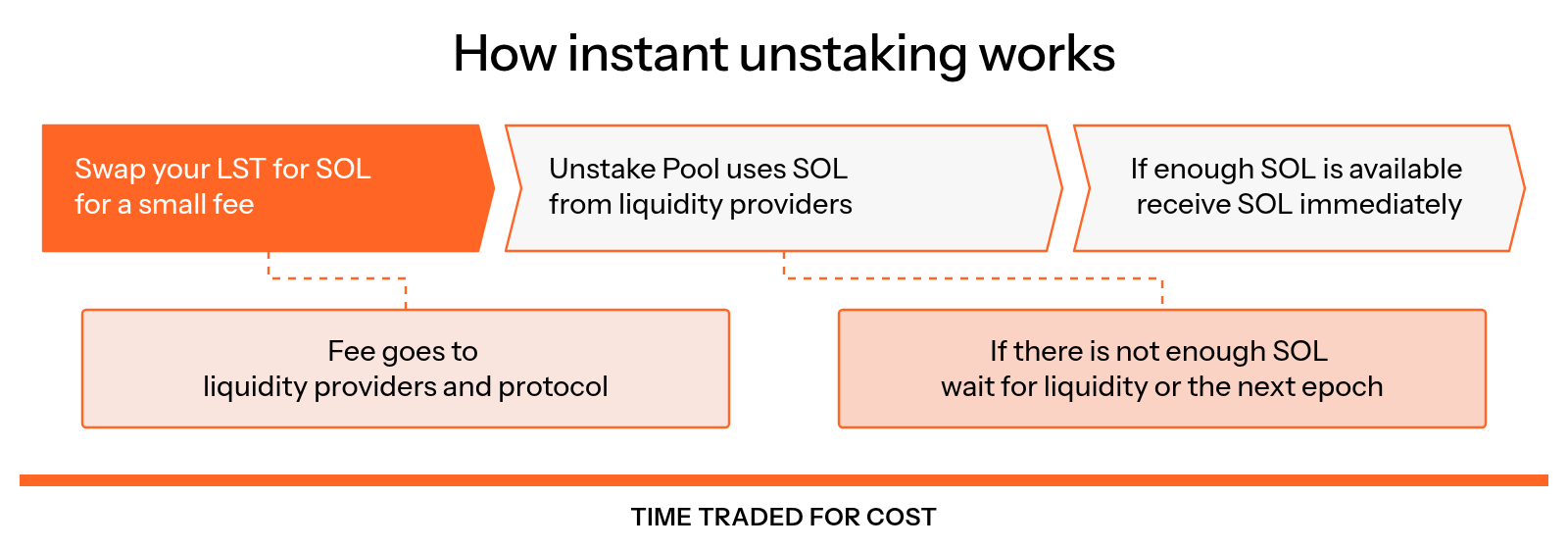
Figure 11.25: How instant unstaking works
What happens if the pool runs low on liquidity?
Fees increase as liquidity drops.
This discourages large withdrawals and incentivizes new liquidity to enter the pool. In extreme cases, instant unstaking may become temporarily unavailable.
Is there any price slippage when I unstake?
There is no traditional AMM slippage. Instead, the cost is expressed through the dynamic fee, which increases as liquidity decreases.
Liquidity providers
What is VLP?
VLP is the receipt token you get when you deposit SOL into the Unstake Pool, which only takes SOL. It represents your share of the pool, and you redeem it for your SOL plus earned fees when you withdraw. For the steps, see How to deposit to and withdraw from the Unstake Pool.
How do liquidity providers make money?
Liquidity providers earn:
- A share of all instant unstake fees
- Yield from idle SOL in the pool
Returns tend to increase during periods of high demand.
What are the risks for liquidity providers?
The primary risks include:
- Smart contract risk
- Temporary liquidity constraints during extreme market conditions
- Opportunity cost compared to other strategies
The pool does not take directional market risk, but usage patterns can affect returns.
Can I lose my SOL as a liquidity provider?
There is no impermanent loss in the traditional AMM sense.
However, risks still exist through smart contracts and system design. Returns are not guaranteed and depend on pool usage.
What does the 500 SOL kink mean?
The kink is the point where fee behavior changes (Figure 11.26).
Above 500 SOL, fees remain at the minimum.
Below 500 SOL, fees increase progressively to protect the pool and balance supply and demand.
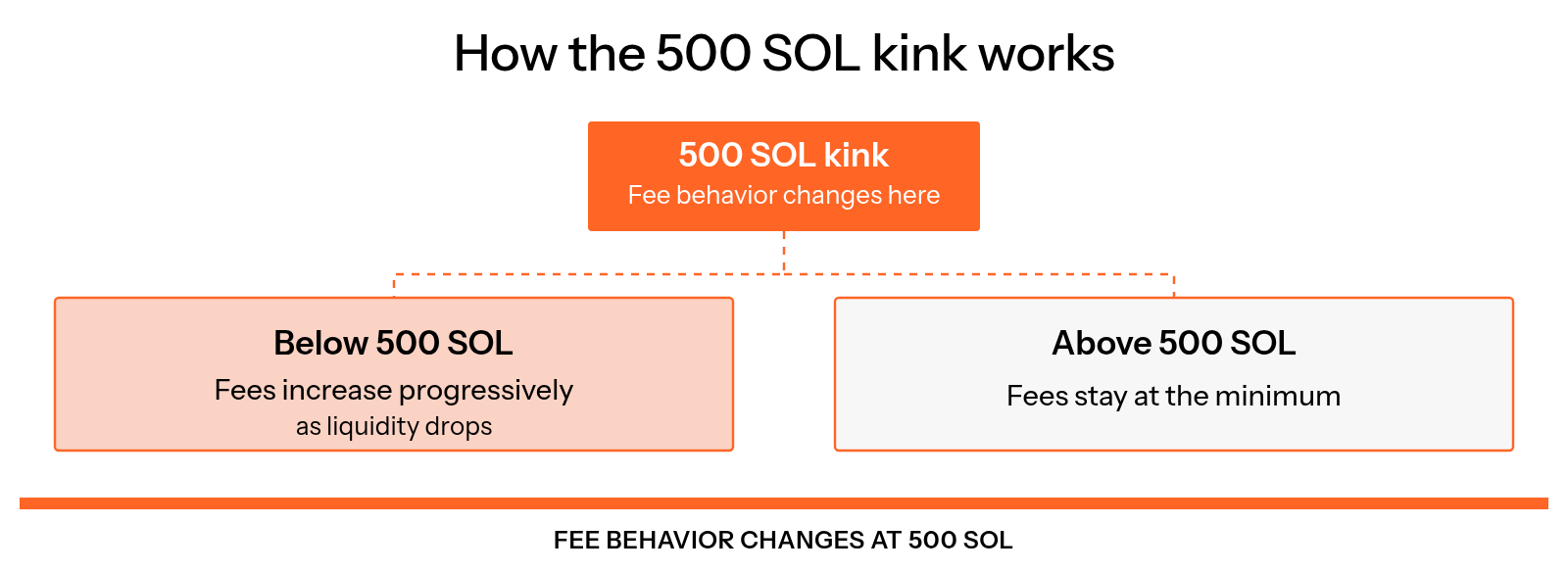
Figure 11.26: How the 500 SOL kink works
When do liquidity providers earn the most?
During periods of high demand for instant exits. This often happens during market volatility, when users are willing to pay higher fees for immediate liquidity.
Can I enter and exit as a liquidity provider anytime?
Yes, as long as there is sufficient liquidity in the pool. For the steps, see How to deposit to and withdraw from the Unstake Pool.
In rare cases, withdrawals may be delayed if too much liquidity is being used at once.
How the Unstake Pool fits in
How is this different from a traditional AMM?
Traditional AMMs price assets using curves and expose users to impermanent loss.
The Unstake Pool is not price discovery based. It is a liquidity routing mechanism for instant exits, where fees adjust based on available liquidity.
Does this affect validator staking or rewards?
No, it does not. The pool operates independently of validator performance. It simply facilitates liquidity between LST holders and SOL providers.
How should I think about this product?
As a liquidity layer for staking.
It allows:
- Users to exit quickly
- Liquidity providers to earn yield
- Markets to remain efficient