📊 Gauge Voting Overview
How veV votes direct stake, how gauge epochs work, and how direct voting differs from Community Pool delegation.
Gauges are a mechanism that allows users to vote using their locked $V tokens (veV) to influence the allocation of stake from a dedicated gauges reserve, which represents 10% of the total undirected stake in The Vault stake pool.

During each gauge epoch, users cast their votes for validators through the dedicated interface. In the subsequent epoch, validators receive stake proportional to the total votes they secured.
Voting Mechanism
Users participate in gauges voting with veV, which is obtained by locking $V tokens in the Vote Locker. The amount of veV received depends on both the quantity of $V locked and the lock duration chosen. Longer lock periods apply higher multipliers to veV, with the maximum lockup of 5 years granting a 10x multiplier.
When extending an existing $V lock, you choose a new remaining duration that is longer than the time currently left, up to 5 years from the extension. Extending it does not automatically reset the lock to 5 years. For an example, see How to Vote Directly on Gauges.
Each wallet has one $V lock with one expiry. You can add more $V to the same lock, including after extending it; the added tokens share its existing expiry. Adding tokens does not reset the lock. Use another wallet for a different lock duration. vPoints cannot be locked: exercise them to purchase $V first. See Locking $V for the full rules.
Gauges operate in 7-day epochs. Votes submitted during one epoch determine stake distribution in the following epoch. In other words, users vote for the next epoch, and validators receive stake proportionally in that cycle (Figure 9.1). Gauge epochs don't line up with Solana epochs: once a gauge epoch starts, the stakebot moves stake to the new targets over the following Solana epochs.
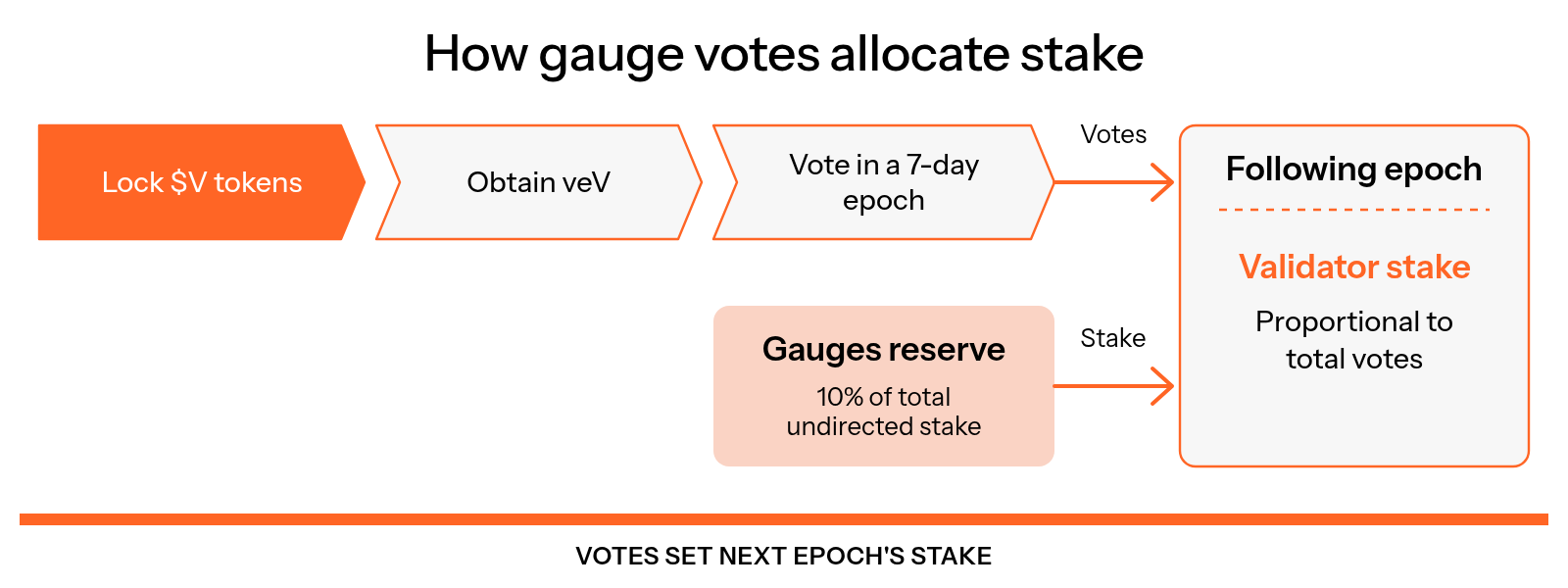
Figure 9.1: How gauge votes allocate stake
Example
Stake controlled via gauges represents, for example, 100,000 SOL. If only one participant votes for Validator "A" and no other votes are cast, that validator would receive the full 100,000 SOL in additional stake. If two participants each allocate an equal amount of veV (for example, 100 veV each to Validators "A" and "B") and no additional votes are cast, both validators would receive an equal share of 50,000 SOL in additional stake.
Community Pool Delegation
Community Pool participants delegate their veV so the pool can cast gauge votes. The pool divides its voting power equally among eligible opted-in validators already in The Vault stake pool. Its collective votes determine its share of the 10% gauge reserve; it does not automatically control the entire reserve (Figure 9.2).
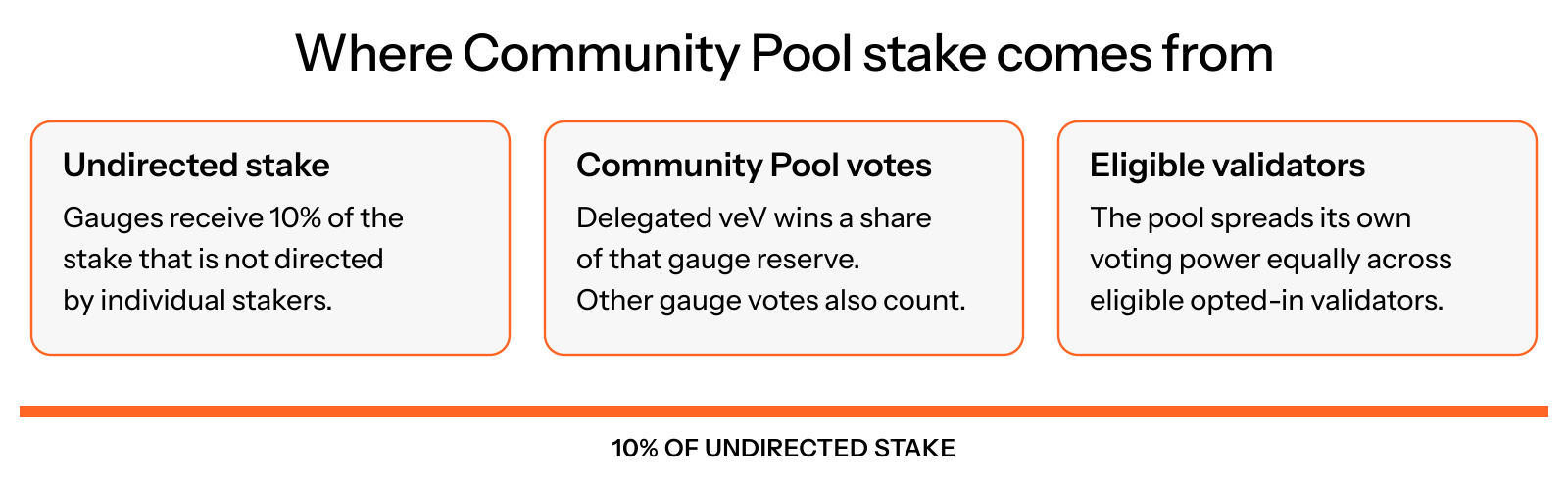
Figure 9.2: Community Pool gauge allocation
Validators retain 25% of the earnings generated by their Community Pool allocation and pay 75% as a fee funding delegator rewards. Holders claim VLP in proportion to their recorded veV for the reward epoch. The system takes their reward snapshots automatically; holders do not need to take them manually. Snapshots may take up to two weeks to begin after delegation. VLP claims remain manual and require funded, finalized reward epochs. See How to delegate and How to claim rewards.
The Community Pool has its own validator opt-in process and a three-unpaid-invoice cap. The temporary 20-invoice allowance for Direct Stake Leaders and Elite Performance does not apply to it. A validator can also receive gauge votes cast outside the pool, which must be distinguished from the Community Pool allocation when reviewing earnings and fees.
Eligibility
For manual gauge participation outside the Community Pool, validators must meet the following criteria:
- Not part of superminority
- Commission <= 5%
- MEV commission <= 10%
- Self-stake >= 100 SOL
- Vote credits >= 95% of average for the epoch
Validators and their communities can add validators that are not on the approved list to the list of gauges, provided they meet the eligibility criteria outlined above. This feature is available via the dedicated button in the Info section of https://thevault.finance/validators.
Approved validators must still meet the applicable gauge requirements. Approval does not waive the rolling performance checks; gauge participation is also available without board approval when the requirements are met. The requirements are assessed over the previous 10 epochs (Figure 9.3).
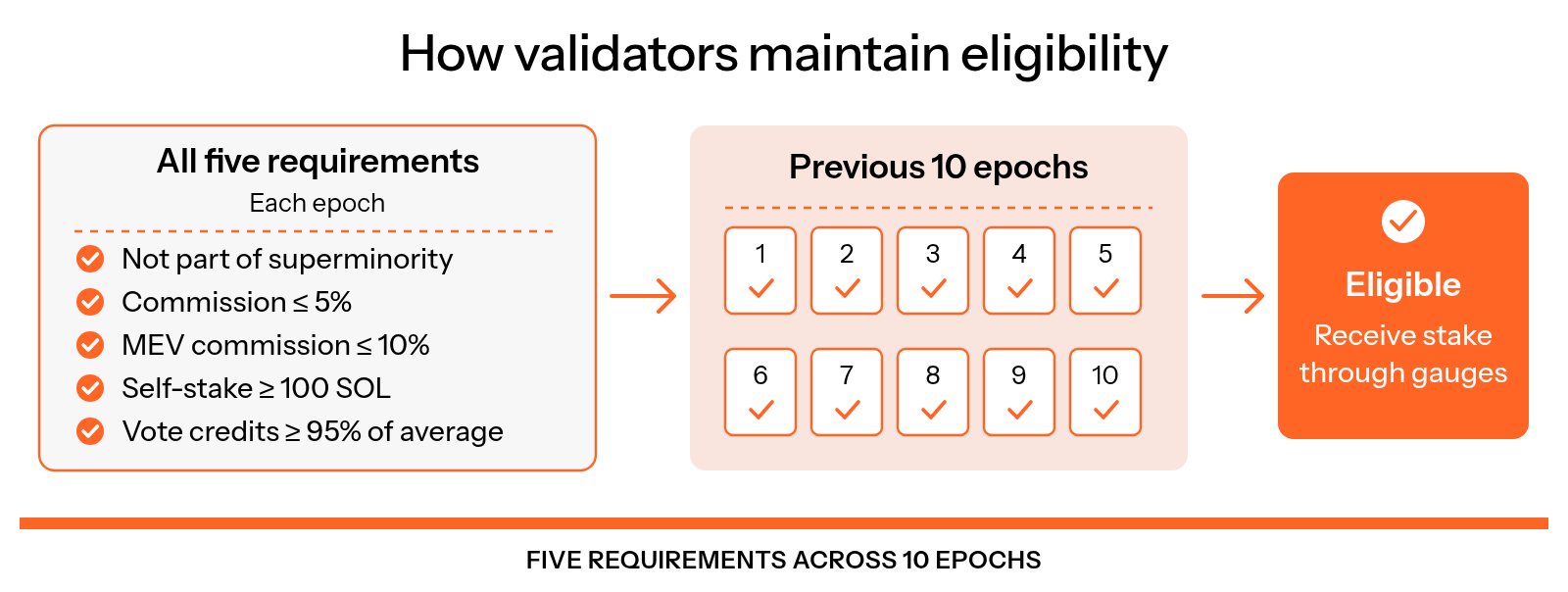
Figure 9.3: How validators maintain eligibility
Stake obtained through gauges can be tracked in the Gauges column of the validators page. Community Pool opt-in additionally requires acceptance in its eligible on-chain registry. General gauge eligibility alone does not establish Community Pool membership.
Direct Gauge Voting
Direct voting has two parts: saving an allocation and committing it for an epoch. Saving stores the relative weights across your chosen validators. A separate commitment activates those weights for the next gauge epoch. If you change the saved weights after committing, Update votes replaces the commitment.
The Committed for epoch confirmation identifies the epoch your votes apply to. Saved weights alone do not confirm an active vote for a later epoch. The gauge cycle timeline and validator table distinguish current stake from the next epoch's allocation; moving stake normally takes 1 to 2 Solana epochs after the gauge boundary.
For the full procedure and screenshots, see How to Vote Directly on Gauges.
If a large amount of SOL needs to be moved by the stakebot, stake may take some time to arrive.
Manual Voting and Delegation
A wallet delegates its voting power to one delegate at a time. If you want the pool to vote and share earnings with you, follow the Community Pool guide. If you choose to manage votes yourself, use How to Vote Directly on Gauges and check your current delegate before committing votes. For reward and eligibility questions, see Community Pool FAQs.