⚖️ Direct stake vs undirected stake
The two kinds of stake in The Vault: who chooses the validator, how each is allocated, and what it means for validators and vSOL holders.
Every SOL staked with The Vault becomes one of two kinds of stake. The difference is who chooses the validator: with direct stake, a vSOL holder chooses; with undirected stake, The Vault's delegation strategy does.

Direct stake
Direct stake is vSOL whose holder has chosen a validator. You choose a validator on the Direct Stake page and set your wallet to it by approving a transaction. From then on, all vSOL in that wallet counts as direct stake for that validator, and the stakebot delegates the matching stake to it. For the steps, see How to direct stake.
vSOL keeps counting when you use it in a supported location, such as Kamino Lending or a vSOL liquidity pool described in What counts as direct stake. Kamino Multiply increases your direct stake by the leverage you choose. If you move vSOL somewhere unsupported, it becomes undirected stake again (Figure 3.15).
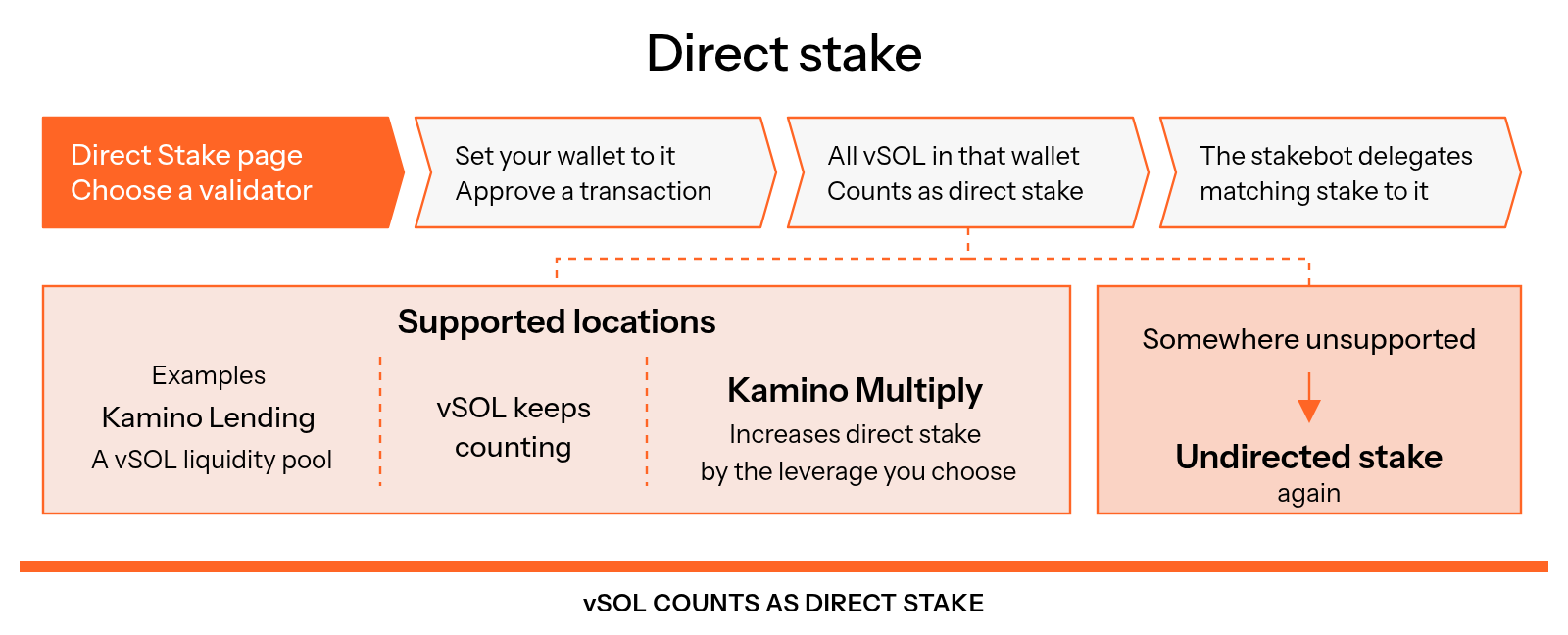
Figure 3.15: How direct stake is counted
Any validator that meets The Vault's minimum requirements can receive direct stake. It does not need to be on the approved list.
Undirected stake
Undirected stake is all the other stake in the pool: vSOL whose holder has not chosen a validator, and vSOL held outside the supported locations. The Vault allocates it through its delegation strategy (Figure 3.16):
- 10% through gauges, split by vote share.
- 40% to the Direct Stake Leaders bucket: the top 100 approved validators by direct stake share it equally.
- 50% to the Elite Performance bucket: the top 50 approved validators with 0% base and 0% MEV commission, ranked by vote credits.
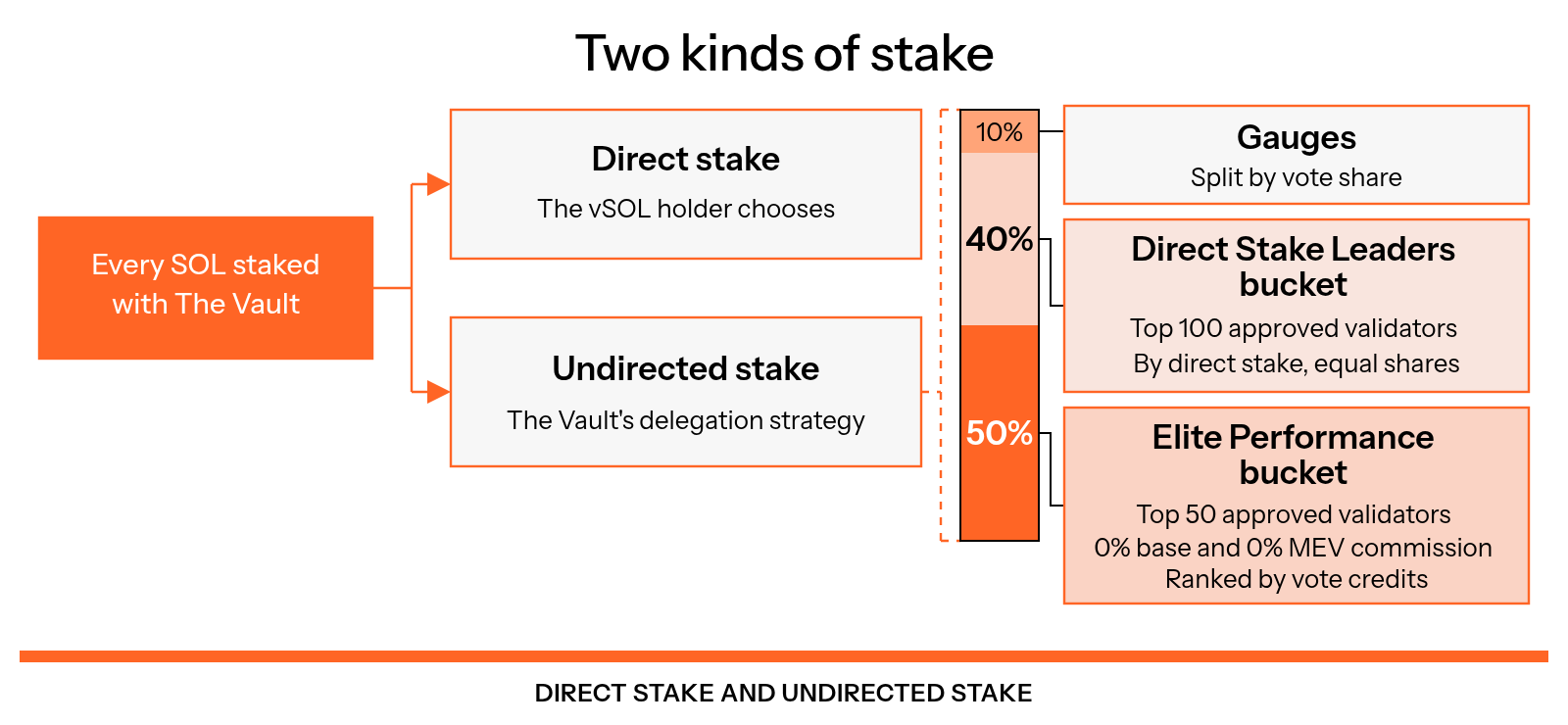
Figure 3.16: Where staked SOL goes
For how validators qualify, see the Delegation onboarding guide.
Side by side
| Direct stake | Undirected stake | |
|---|---|---|
| Who chooses the validator | The vSOL holder | The Vault's delegation strategy |
| Which validators can receive it | Any validator that meets the minimum requirements | Approved validators through the two buckets; any validator that meets the minimum requirements through gauges |
| How a validator gets more | Its own vSOL and its community's vSOL directed to it | Approval, direct stake ranking, vote credits and gauge votes |
| Stake-as-a-Service fee | None | 25% of main-bucket earnings, subject to exemptions; 75% of Community Pool earnings; manual gauge allocations outside the pool are separate |
| Processing order | First, together with gauge stake | Gauge stake first, together with direct stake; bucket stake after that |
What it means for validators
Direct stake is the stake you can grow yourself: direct stake your own vSOL to your validator and ask your community to do the same. It needs no approval, carries no Stake-as-a-Service fee, and the stakebot processes it first.
Direct stake also decides your place in the Direct Stake Leaders ranking. Once you are approved, being in the top 100 by direct stake adds an equal share of the 40% bucket on top of your direct stake. That bucket stake is undirected stake and carries the Stake-as-a-Service fee. Undirected stake from the Elite Performance bucket depends on vote credits and 0% commission instead, and gauge stake on voting weight. Community Pool earnings carry a separate 75% fee, with 25% retained by the validator (Figure 3.17).
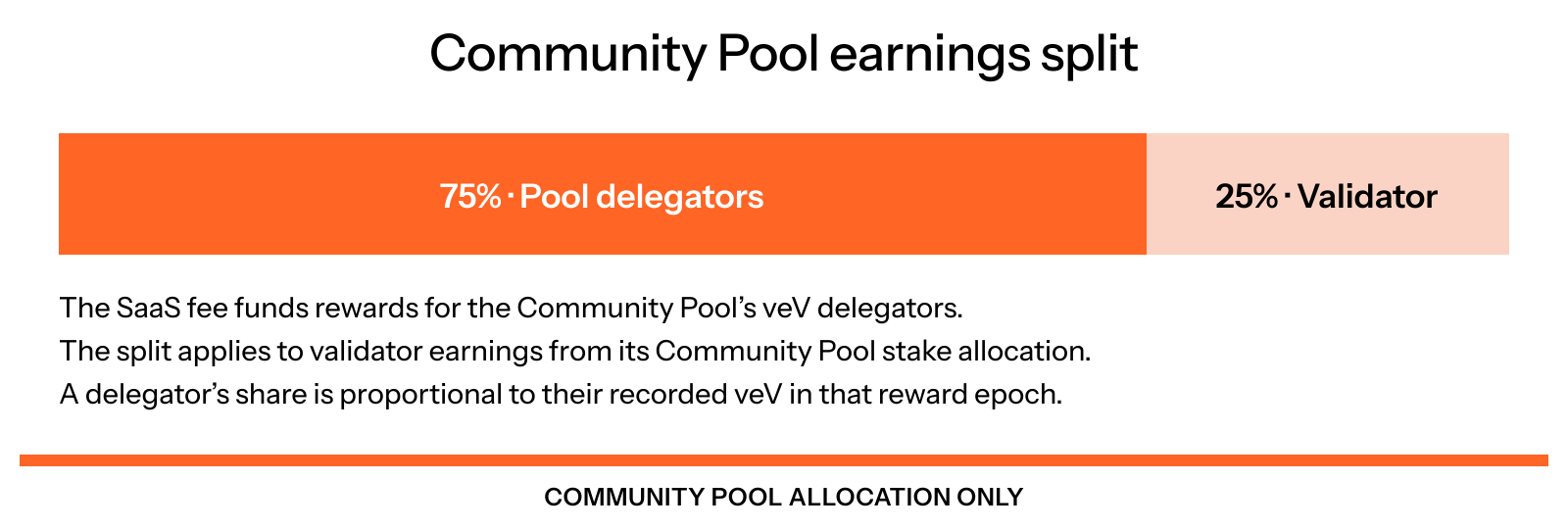
Figure 3.17: Community Pool earnings and fees
What it means for vSOL holders
Your rewards are the same either way: base staking rewards come from the whole pool. Direct staking lets you choose which validator your SOL supports, for example your own validator or a community you belong to. If you don't choose, your stake is undirected and The Vault's strategy places it. You can change or remove your validator choice at any time on the Direct Stake page.
Community Pool rewards
Community Pool delegates veV into the gauge system. Its voting power wins a share of the 10% gauge reserve and is split equally among eligible opted-in validators. The 75% fee on this allocation funds VLP rewards for veV delegators; the validator retains 25%. This does not change the separate 40% and 50% main-bucket shares.