📚 Delegation FAQs
This page explains how The Vault delegation model works today, how direct stake and performance buckets interact, and how votes from Votex and gauges translate into stake.
This page answers common validator questions about receiving stake from The Vault.

Overview of the delegation model
What are the main ways a validator can receive stake from The Vault today?
Approved validators receive stake from three places: gauges, the Direct Stake Leaders bucket, and the Elite Performance bucket. All undirected stake gets split between these three segments (Figure 7.20).
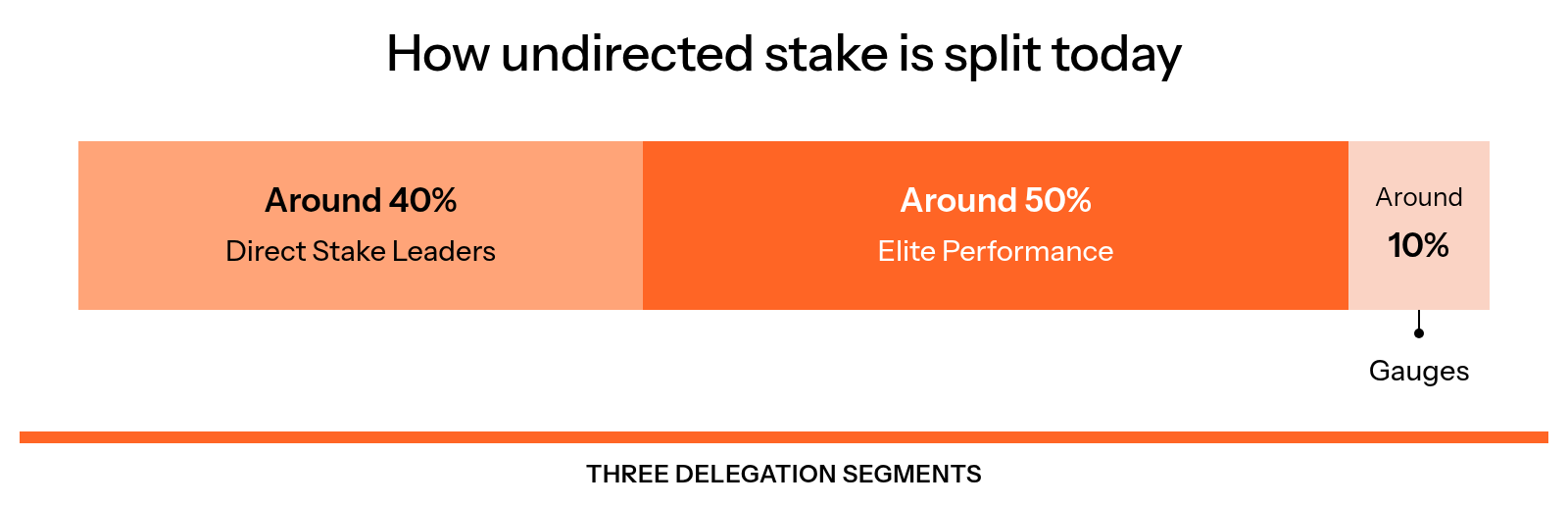
Figure 7.20: How undirected stake is split today
Approval and eligibility
Is there still a waitlist?
No. The waitlist was a queue with no guarantee of stake, and it no longer exists. Once you pass the Validator Board review, you are approved and join the approved list, the active set of validators that The Vault can delegate to and that all delegation logic uses. From then on you can take part in the Direct Stake Leaders and Elite Performance buckets.
How do I become an approved validator for The Vault?
You apply, the Validator Board votes, and if you pass you move from applicant onto the approved list. The board is made up of validators from inside The Vault's stake pool who currently serve as board members. Results are announced in the Node News channel once voting for that batch is complete.
Where can I see which validators are currently approved?
You can see the approved validators on the main validator page on the public Dune dashboard that tracks The Vault validators.
I'm not yet on the approved list. Can I still qualify for the Direct Stake Leaders bucket?
You will need to apply first: open a support ticket on Discord, choose Validator, and use the /apply command to get your application form. To receive stake from the Direct Stake Leaders and Elite Performance buckets you must pass the application process and be successfully reviewed by the Validator Board.
Stake-as-a-Service and fees
What is Stake-as-a-Service in the context of The Vault?
When The Vault allocates stake to you from the Direct Stake Leaders or Elite Performance bucket, you join the Stake-as-a-Service program and share 25% of the rewards generated on that stake.
How often are Stake-as-a-Service invoices generated and where do I find them?
Invoices are created once per epoch for each validator with undirected stake. You can find and pay them by clicking your validator in the validators list and opening your dashboard, or have the SaaS payment bot pay them for you.
How quickly should I pay my invoices?
You should pay invoices regularly so that unpaid epochs stay low. The SaaS payment bot can pay them for you once a day (Pay your fees automatically). Ignoring invoices for many epochs can affect your delegation. The current limit is 20 epochs: if an invoice stays unpaid for 20 epochs, the stakebot blocks delegation to your validator from the Direct Stake Leaders and Elite Performance buckets until your invoices are settled (Figure 7.21).
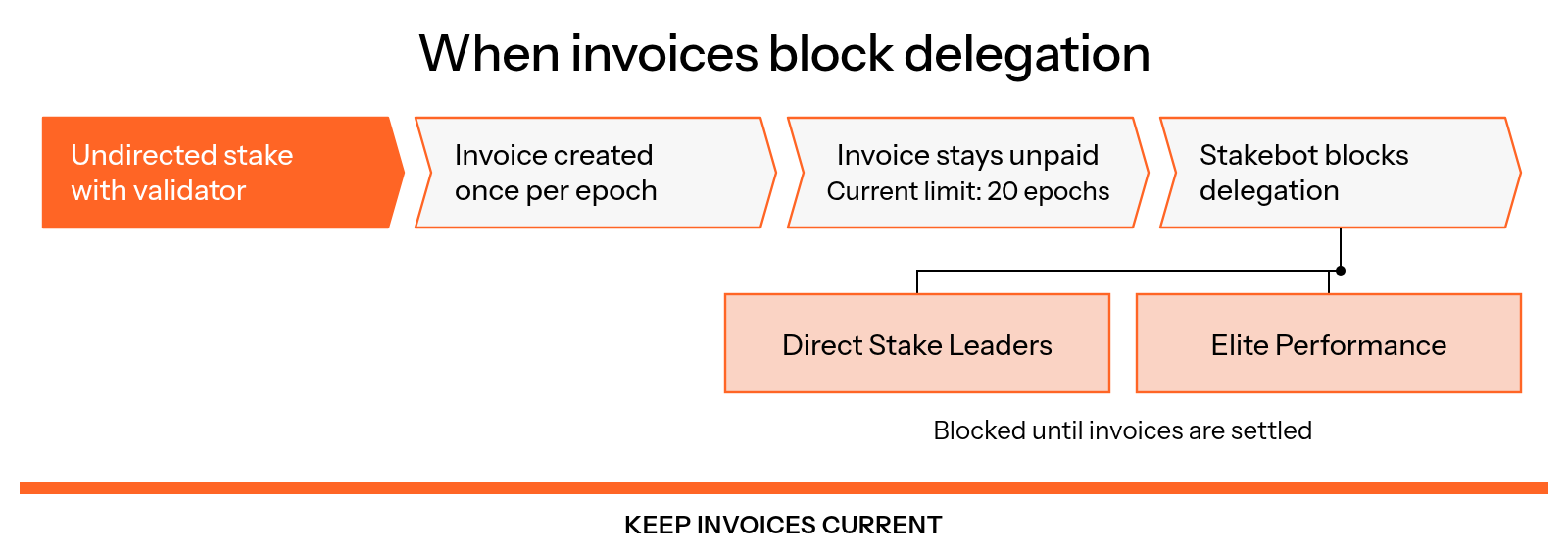
Figure 7.21: When invoices block delegation
Direct Stake Leaders bucket
What is the Direct Stake Leaders bucket?
This bucket holds 40% of The Vault's undirected stake and is shared equally by the top 100 approved validators by direct stake. For how it works and where to check your rank, see Direct Stake Leaders bucket.
What exactly counts as direct stake for this bucket?
Only stake that uses The Vault Direct Stake mechanism counts, whether it is set up through the Direct Stake page or through partners such as Kamino Multiply. External self stake that is not under The Vault withdraw authority does not count.
Can I use direct stake to my own validator?
Yes. Validators can and should direct stake to their own validator if they want to compete for this bucket.
How much direct stake do I need to qualify for the top 100?
You must have more direct stake than the validator currently in position 100. At times this has been as low as a single SOL, but the threshold changes as more validators join or increase their position.
Is this first come, first served or can I be pushed out later?
It is entirely based on stake size, not on who arrived first. If more than 100 validators use direct stake, those with the smallest positions fall out until only the top 100 remain (Figure 7.22).
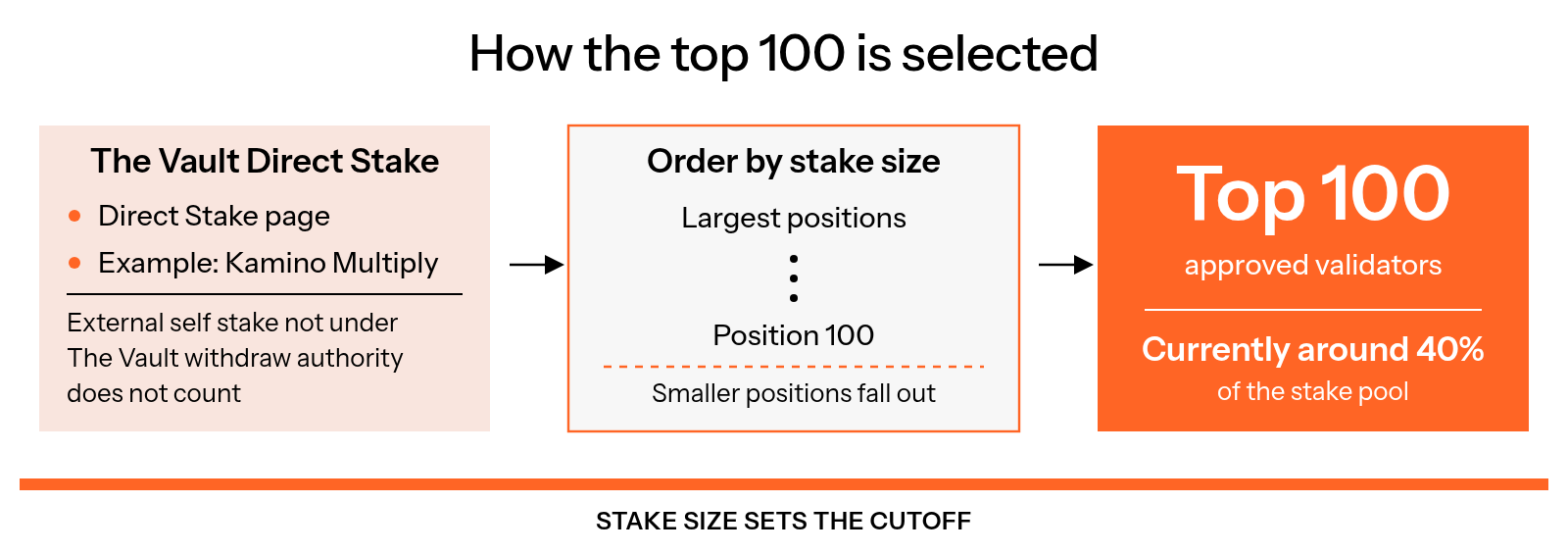
Figure 7.22: How the top 100 is selected
Where can I see my current position in the Direct Stake Leaders ranking?
On the validators page, tap Direct Stake Leaders to see the top 100 ranked by direct stake. The SOL floor shows the minimum direct stake needed to rank.
I already had direct stake through Kamino earlier this year. Do I need to do anything to activate this bucket?
No. If you are approved and still in the top 100 by direct stake, the system will automatically allocate stake over the next few epochs.
Elite Performance bucket
What is the Elite Performance bucket?
This bucket holds 50% of The Vault's undirected stake and rewards approved validators with very strong vote credit performance and strict fee settings: 0% base commission and 0% MEV commission. The top 50 share it equally. For how it works and how to check your eligibility, see Elite Performance bucket.
Does the Elite Performance ranking compare me against the entire Solana network?
No. You are compared only against other approved validators in The Vault set, not against every validator on Solana.
Can I be in both the Direct Stake Leaders and Elite Performance buckets at the same time?
Yes. You can qualify for both buckets independently and receive stake from each if you meet the criteria.
How do performance windows and edge cases work?
Performance is measured over a rolling 10-epoch window. A single bad epoch, such as one with non-zero MEV commission, can temporarily block you, but once that epoch falls out of the window you can become eligible again (Figure 7.23).
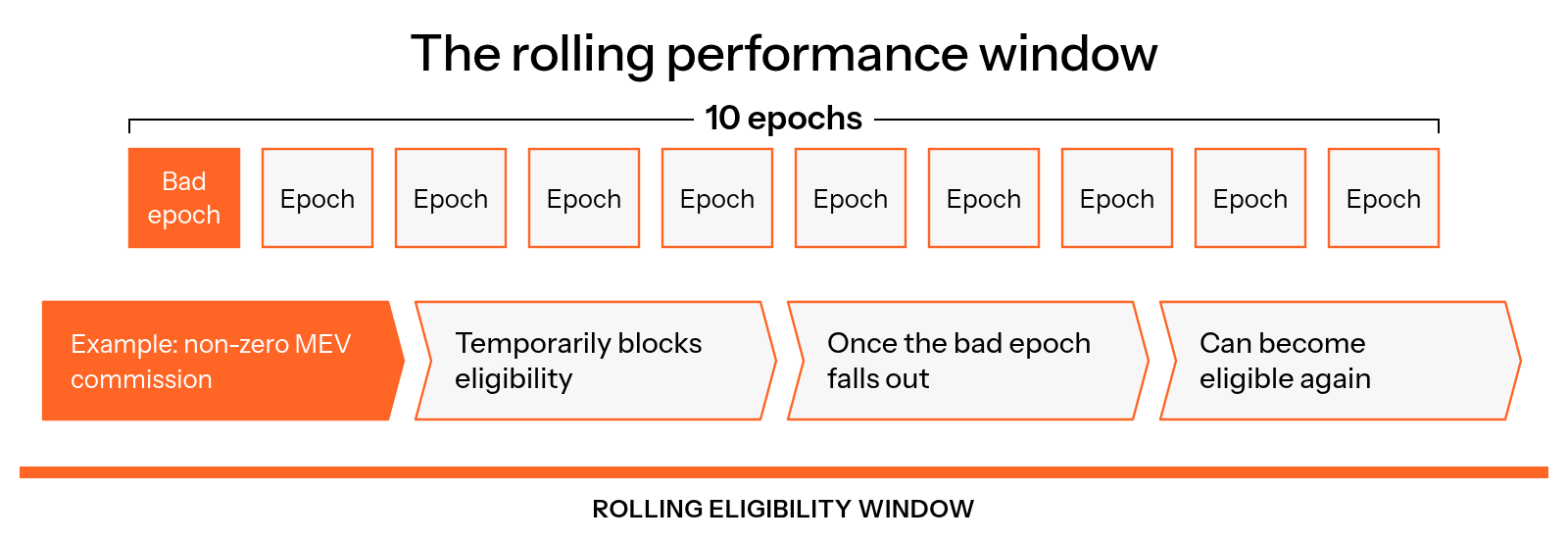
Figure 7.23: The rolling performance window
Gauges, Votex, and buying votes
How do gauges influence stake from The Vault?
Gauges let $V holders direct around 10% of the stake pool by voting for validators, and stake from this bucket is split proportional to gauge voting weight among activated validators.
What is Votex and how does it relate to gauges?
Votex is a platform where validators can pay USDC to acquire additional voting power that is then used in The Vault gauge system to increase their share of the gauge bucket (Figure 7.24).
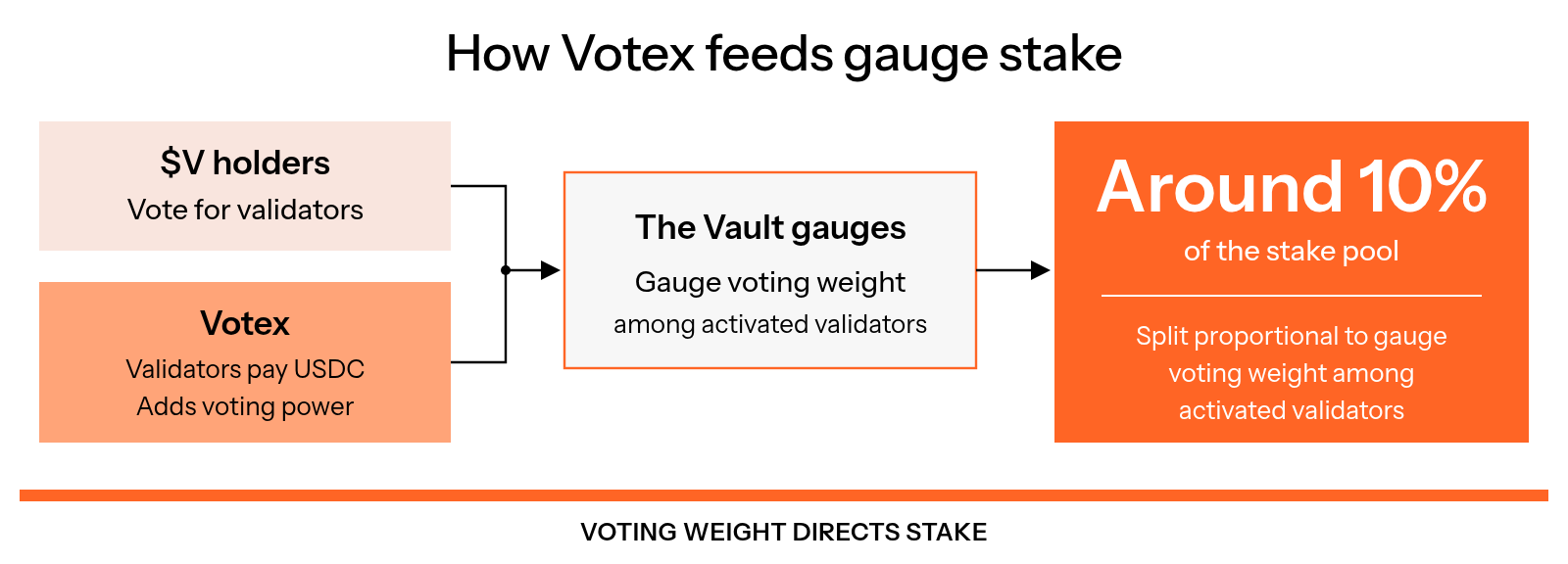
Figure 7.24: How Votex feeds gauge stake
How does the timing for gauge rounds and stake movement work?
Gauge epochs last one week and are separate from Solana epochs. When a round is committed on Monday, the stakebot starts moving stake to the new targets, and the move completes over the following Solana epochs, usually 1 to 2.
Should validators keep buying votes over time or is a single purchase enough?
Gauge influence is relative, so if others keep adding votes and you do not, your share shrinks. To keep a stable position you need to maintain or grow your voting weight over time.
Can validators that are not yet approved still buy votes on Votex?
Yes, you can. Direct stake and gauge stake can be gained if you meet the minimum criteria, but programs like Direct Stake Leaders and Elite Performance can only be participated in once you are approved by the Validator Board.
Timing, epochs, and stake movement
I just started using direct stake or entered the top 100. When will I see stake from The Vault?
Stake movement respects Solana warm-up rules and internal rebalancing, so it can take up to around five epochs for the full allocation to arrive, though you may see partial movement sooner (Figure 7.25).
I see an announcement that several thousand SOL has been allocated, but on chain it looks like less. Is this normal?
Yes. Announcements describe the target from a bucket at current pool size, while actual stake ramps toward that target over several epochs.
When do changes in gauges or Votex votes start to affect my validator?
Once a new gauge epoch starts, the stakebot moves stake to the new targets over the following Solana epochs, usually 1 to 2, and stake gradually adjusts from there.
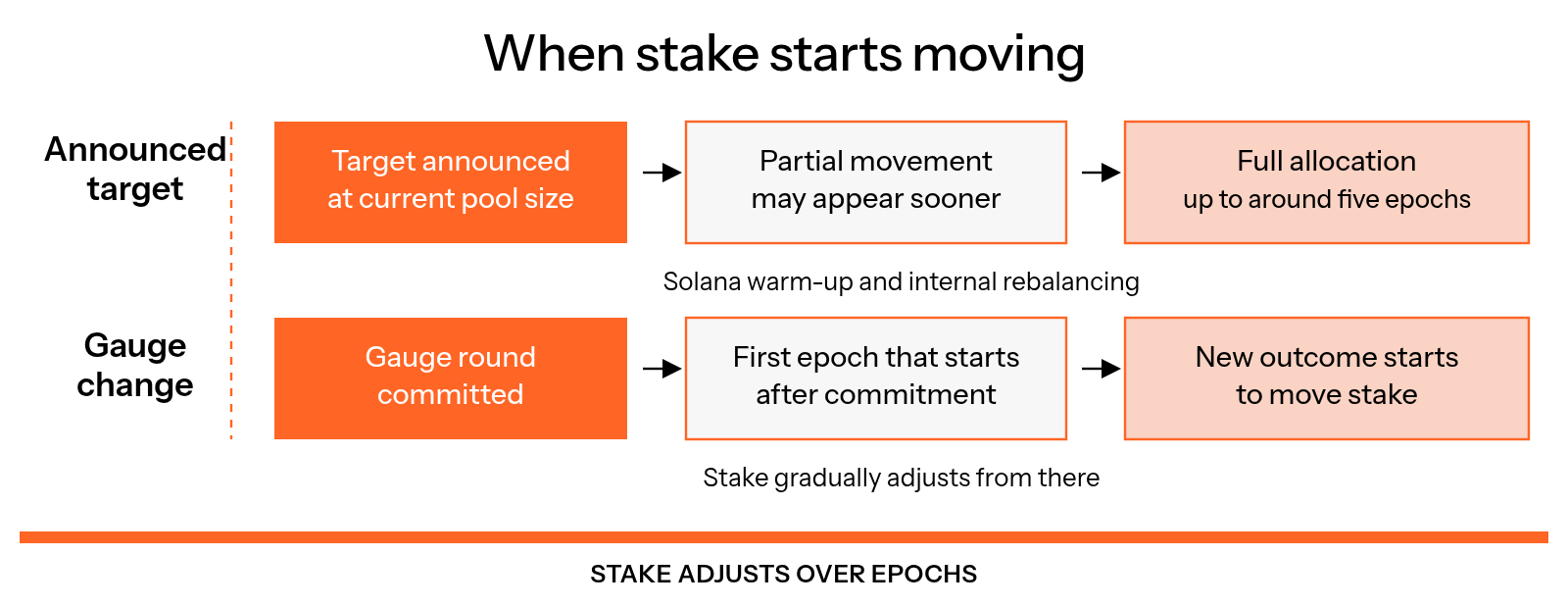
Figure 7.25: When stake starts moving
Invoices, alerts, and validator dashboards
The alert bot says I have several unpaid epochs. What should I do?
Open the validator list, click your validator, go to your dashboard, and pay the outstanding invoices shown there. To keep them paid automatically, set up the SaaS payment bot.
My invoices stopped after a specific epoch. Is that expected?
If you no longer have undirected stake from The Vault, new invoices stop. If you believe you still have undirected stake but do not see invoices, open a support ticket so the team can check.
Practical how-to questions
How do I set up direct stake in practice?
Choose your validator on the Direct Stake page, then set your wallet to it: tap Direct Stake and approve the transaction. From then on, all vSOL in that wallet counts as direct stake for your validator, so mint vSOL on the Stake page or keep the vSOL you already have there. vSOL from that wallet in Kamino Multiply also counts. For the steps, see How to direct stake; for how it works, see Direct staking.
Where can I get vSOL if I want to direct stake without Kamino?
You can mint vSOL by staking SOL on the Stake page of The Vault dApp, as shown in How to direct stake.
Where can I safely buy $V if I want to vote in gauges?
You can buy $V on aggregators such as Jupiter or Titan. You can also earn it through the Points Program: collect vPoints, for example by providing liquidity, and exercise them for $V during a season's exercise window (Introduction to $V Options). Then lock your $V on The Vault site to vote in gauges (How to vote on gauges).
Summary
To receive and grow stake from The Vault you must be approved by the Validator Board, keep Stake-as-a-Service invoices current, and then combine three levers: use direct stake to compete for the Direct Stake Leaders bucket, maintain strong performance and friendly fees to compete for the Elite Performance bucket, and use gauges and Votex votes to capture a share of the gauge-controlled stake.